
Raised Garden Beds: The Full Picture Before You Build

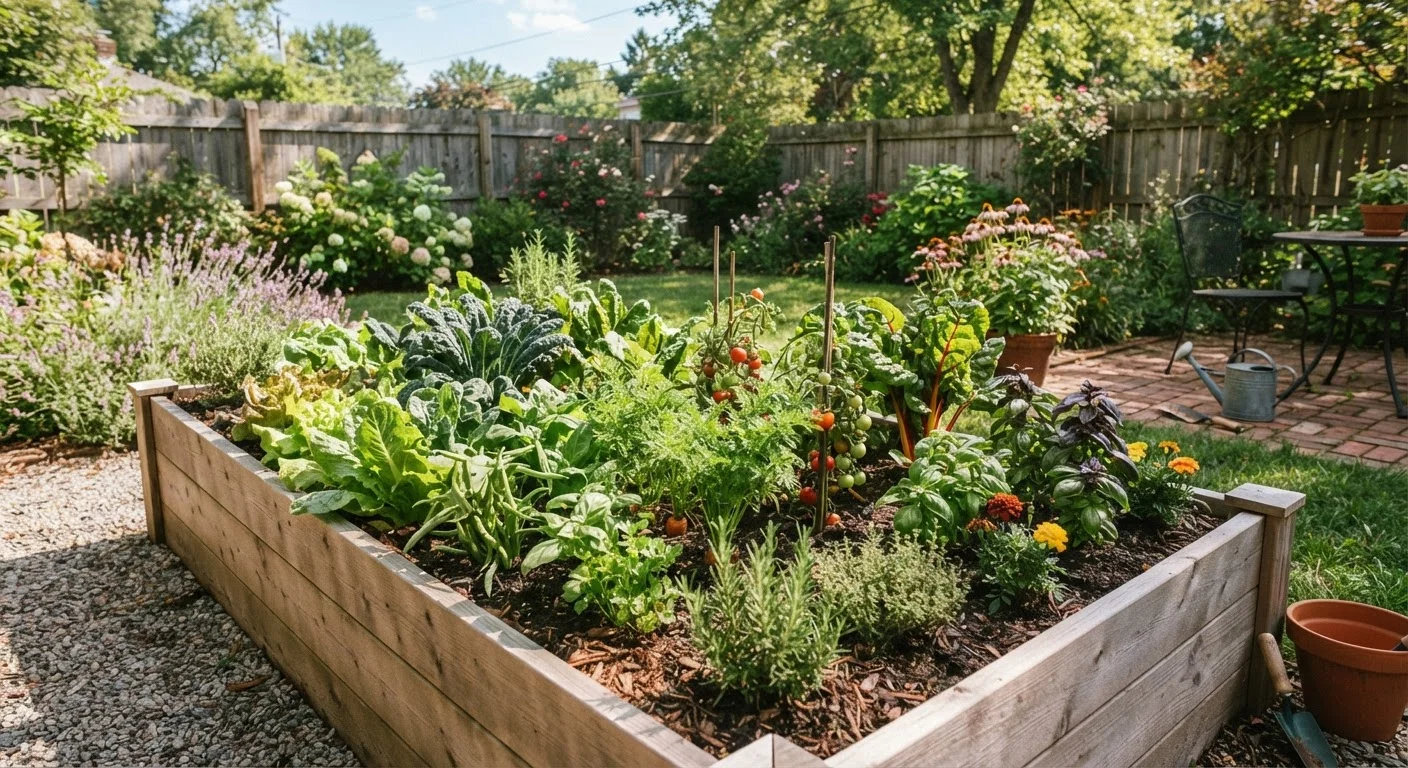
Photo: TheSearchHound.com | One Stop Answer To All Your Questions editorial
Key Takeaways
- Raised beds give you direct control over soil quality, which is especially valuable where native soil is poor or compacted.
- The upfront cost of materials and soil can be significant, particularly for larger or multiple beds.
- Raised beds dry out faster than in-ground plots and typically need more frequent watering.
- They are not ideal for large-scale growing, deep-rooted crops, or gardeners on tight budgets.
- With the right planning, raised beds suit most vegetables, herbs, and many flowers well.
Full control over soil quality from day one
You fill raised beds with a custom growing mix, bypassing whatever native soil your yard has. This is transformative where soil is compacted, clay-heavy, or otherwise unsuitable.
Better drainage than most in-ground setups
The elevated structure prevents waterlogging, which is a common cause of root rot in heavy soils. Most vegetables perform better with consistent moisture rather than saturated roots.
Soil warms earlier in spring
Raised beds absorb heat faster than ground-level soil, giving you a head start on planting. In colder climates, this can add several weeks to the effective growing season.
Fewer weed pressures overall
Starting with clean, imported soil significantly reduces weed seed bank. A layer of cardboard or landscape fabric beneath the bed further suppresses growth from below.
Easier on the body for many gardeners
A bed built to 18-24 inches high eliminates much of the bending and kneeling associated with in-ground gardening, making it accessible for people with back or knee limitations.
Defined, organized growing zones
The physical boundary of a raised bed makes planning, crop rotation, and plant spacing more intuitive. It also keeps pathways clear and reduces soil compaction from foot traffic.
Significant upfront cost for materials and soil
Between framing lumber or metal, hardware, landscape fabric, and enough growing medium to fill the bed properly, startup costs can range from a few hundred dollars upward depending on size.
Requires more frequent watering
Raised beds drain efficiently, but that means they lose moisture faster. During hot or dry periods, daily watering may be necessary to prevent stress in shallow-rooted crops.
Wood frames eventually rot and need replacement
Even naturally rot-resistant wood like cedar typically lasts 10-15 years before structural integrity declines. Metal and composite frames last longer but cost more upfront.
Not practical for large-scale or row-crop growing
Raised beds are well-suited to intensive small-space planting but become impractical and expensive if you're trying to grow significant quantities of sprawling or large-volume crops.
Soil volume limits very deep-rooted crops
Parsnips, large carrots, and some brassicas benefit from deeper soil than a standard 12-inch bed provides. Deeper beds are possible but add cost and weight.
What Raised Beds Actually Are
A raised garden bed is a contained planting area - typically framed in wood, metal, or composite material - filled with imported or amended soil and positioned above the existing ground level. Heights commonly range from six inches to two feet, depending on what you plan to grow and your physical needs.
They're distinct from in-ground gardening in one fundamental way: you're not working with the soil you have. You're building the growing environment from scratch. That distinction drives nearly every advantage and disadvantage discussed below. Before committing, it helps to map your garden site - sunlight, drainage, and spacing - so you're choosing the right tool for the space.
The Real Advantages of Raised Beds
For many gardeners, raised beds solve problems that would otherwise make growing vegetables frustrating or even impossible.
Full control over soil quality from day one
You fill raised beds with a custom growing mix, bypassing whatever native soil your yard has. This is transformative where soil is compacted, clay-heavy, or otherwise unsuitable.
Better drainage than most in-ground setups
The elevated structure prevents waterlogging, which is a common cause of root rot in heavy soils. Most vegetables perform better with consistent moisture rather than saturated roots.
Soil warms earlier in spring
Raised beds absorb heat faster than ground-level soil, giving you a head start on planting. In colder climates, this can add several weeks to the effective growing season.
Fewer weed pressures overall
Starting with clean, imported soil significantly reduces weed seed bank. A layer of cardboard or landscape fabric beneath the bed further suppresses growth from below.
Easier on the body for many gardeners
A bed built to 18-24 inches high eliminates much of the bending and kneeling associated with in-ground gardening, making it accessible for people with back or knee limitations.
Defined, organized growing zones
The physical boundary of a raised bed makes planning, crop rotation, and plant spacing more intuitive. It also keeps pathways clear and reduces soil compaction from foot traffic.
Soil quality control is the single biggest draw. In areas where native soil is clay-heavy, sandy, compacted, or contaminated with past landscaping chemicals, importing a well-balanced growing mix immediately puts you ahead. You can also improve that mix over time using compost - a practice covered in our guide to composting at home.
Drainage is typically superior in a raised setup, which matters for vegetables that suffer in waterlogged conditions. The elevated structure also warms faster in spring, extending your growing window in cooler climates by a meaningful margin.
Where Raised Beds Fall Short
The same structure that gives you control also creates constraints worth understanding before you build.
Significant upfront cost for materials and soil
Between framing lumber or metal, hardware, landscape fabric, and enough growing medium to fill the bed properly, startup costs can range from a few hundred dollars upward depending on size.
Requires more frequent watering
Raised beds drain efficiently, but that means they lose moisture faster. During hot or dry periods, daily watering may be necessary to prevent stress in shallow-rooted crops.
Wood frames eventually rot and need replacement
Even naturally rot-resistant wood like cedar typically lasts 10-15 years before structural integrity declines. Metal and composite frames last longer but cost more upfront.
Not practical for large-scale or row-crop growing
Raised beds are well-suited to intensive small-space planting but become impractical and expensive if you're trying to grow significant quantities of sprawling or large-volume crops.
Soil volume limits very deep-rooted crops
Parsnips, large carrots, and some brassicas benefit from deeper soil than a standard 12-inch bed provides. Deeper beds are possible but add cost and weight.
The cost of filling a raised bed surprises many first-time builders. Filling even a 4×8-foot bed to a depth of 12 inches requires roughly 32 cubic feet of growing medium - a mix of topsoil, compost, and other amendments. Purchasing this in bags from a garden center adds up quickly. Bulk delivery is more economical but requires access and a place to store material temporarily.
Watering demands are persistently higher. Raised beds drain well - which is a benefit - but that means they lose moisture faster, especially during summer heat. Gardeners who travel frequently or prefer a lower-maintenance setup may find a drip irrigation system worth considering to offset this burden.
Finally, raised beds are a poor fit for deep-rooted crops like parsnips, large winter squash, or sprawling pumpkins, which need more horizontal and vertical space than a standard bed provides efficiently.
Choosing Materials and Sizing Wisely
Wood remains the most common framing material. Untreated cedar and redwood resist decay naturally and are generally considered safe for food growing. Avoid wood treated with older preservatives that may leach harmful compounds into soil.
A Note on Treated Wood and Soil Safety
Galvanized steel beds have grown in popularity and are durable, though they can heat up significantly in full sun, which may stress root zones in very hot climates. Composite lumber - made from recycled materials - is a middle-ground option that resists rot without the weight of metal.
Width matters more than length. A bed wider than four feet becomes difficult to reach the center from either side without stepping in, which defeats the purpose of keeping soil loose and uncompacted. Keep beds to 3-4 feet wide as a practical rule. For gardeners interested in maximizing what fits in a small footprint, companion planting strategies are especially useful in raised bed settings.
Is a Raised Bed Right for Your Situation?
Raised beds work well when your native soil is genuinely difficult, when you want clearly defined growing zones, or when bending and kneeling are physically challenging. They also make sense on patios or over hardscape where no soil exists at all.
They're less compelling if your existing soil is already healthy and workable - in that case, in-ground vegetable gardening is cheaper and equally productive. Similarly, if your yard is heavily shaded, a raised bed won't solve a light problem - that calls for different strategies entirely, as covered in our shade gardening guide.
Weigh the upfront investment - both in money and time - against what you're solving for. The gardeners who get the most from raised beds are those who go in with realistic expectations and a solid plan.
3-4 ft
Ideal raised bed width for easy reach
A bed no wider than four feet allows most gardeners to reach the center from either side without stepping inside, keeping soil structure intact.
10-15 yrs
Typical lifespan of cedar raised bed frames
Untreated cedar is naturally rot-resistant; with good drainage and airflow underneath, frames commonly last a decade or more before needing replacement.
The content on this site is provided for informational purposes only and should not be considered a substitute for professional advice. While we strive to provide accurate and up-to-date information, we make no guarantees regarding its completeness or accuracy. Always consult a qualified professional for advice specific to your circumstances before making any decisions.